Focus Fund 2026 Patient & Services Report
Summary
From January to November 2026, the Focus Fund supported 70 children and adolescents (ages 3–19, median age 10) through 102 approved services. Six of them were referred from displacement shelters during the war, and the Fund covered 100% of their care.
- 26 psychiatry consultations for 22 patients
- 669 therapy and education sessions: psychotherapy, speech, psychomotor, special education and occupational therapy
- 6 DBT cycles for 2 adolescents
- 10 assessments: 9 neuropsychological assessments and 1 ADOS
Patients by diagnosis
28 of 70 patients (40%) had ADHD or hyperactivity, followed by learning or academic difficulties (18) and anxiety (13).
24 patients had more than one diagnosis, most often ADHD together with learning difficulties or anxiety, so the groups add up to more than 70. Diagnoses were grouped from the wording in the file.
Children from shelters: our response during the war
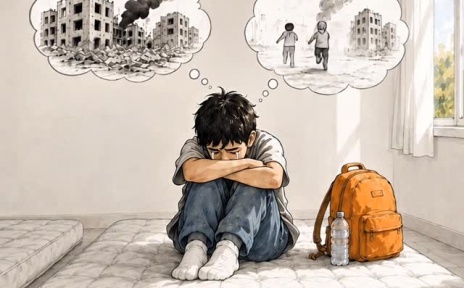
Between 4 and 26 May 2026, the Fund took in 6 children referred by the team working in displacement shelters and covered 100% of their care. All 6 were approved for a psychiatry consultation at intake, and 4 of them went on to therapy within the same month.
The war that escalated in early March 2026 displaced about 200,000 children within its first ten days (War Child). By May, over 1 million people, nearly 20% of the population, had been displaced, and more than 126,000 were living in overcrowded makeshift shelters (IRC).
| Child | Age, gender | Presenting concern | Services funded (100%) |
|---|
| A | 8, boy | Behaviour concerns | Psychiatry consultation, 10 psychotherapy sessions, 14 psychomotor sessions |
| B | 9, girl | Anxiety | Psychiatry consultation, 10 psychotherapy sessions |
| C | 10, boy | Attachment anxiety | 2 psychiatry consultations, 10 psychotherapy sessions |
| D | 12, boy | ADHD & anxiety | 2 psychiatry consultations, 10 psychotherapy sessions |
| E | 14, girl | Academic difficulties | Psychiatry consultation |
| F | 15, boy | Speech delay and behaviour concerns | Psychiatry consultation |
In total, shelter children received 8 psychiatry consultations, 40 psychotherapy sessions and 14 psychomotor sessions. The consulting psychiatrist waived 50% of the fee for 6 of the 8 shelter consultations, which stretched the Fund further.
How their diagnoses relate to war and shelter conditions
- Anxiety (3 of 6 children): bombardment, sudden flight and the loss of home are direct triggers for fear and hypervigilance. The attachment anxiety of a 10-year-old fits the separation fears common after displacement, when routines break and caregivers are themselves under strain. Families met by the IRC described anxiety, grief and children struggling to sleep.
- Behaviour concerns (2 of 6): irritability, aggression and regression are common stress responses in children living in crowded collective shelters with no privacy, no space to play and exhausted parents.
- Academic difficulties and speech delay (2 of 6): schools were closed or turned into shelters, and children slept on classroom floors. For a 14-year-old with learning difficulties and a 15-year-old with speech and behaviour concerns, lost schooling and interrupted services deepen existing gaps.
Services provided
The Fund approved 102 services in 2026, totalling 669 therapy and education sessions. Psychotherapy was the largest service, with 314 sessions for 29 patients.
| Service | Total provided | Patients | Approvals |
|---|
| Psychotherapy | 314 sessions | 29 | 33 |
| Special education | 129 sessions | 11 | 11 |
| Speech therapy | 100 sessions | 7 | 9 |
| Psychomotor therapy | 98 sessions | 7 | 7 |
| Occupational therapy (incl. 1 home-based) | 28 sessions | 2 | 2 |
| Psychiatry consultations (incl. 2 follow-ups) | 26 consultations | 22 | 26 |
| Neuropsychological assessment | 9 assessments | 9 | 9 |
| DBT (dialectical behaviour therapy) | 6 cycles | 2 | 2 |
| ADOS (autism diagnostic assessment) | 1 assessment | 1 | 1 |
| Neuropsychological assessment supplies | 2 | 2 | 2 |
| Total | 669 sessions, 26 psychiatry consultations, 10 assessments, 6 DBT cycles | 70 | 102 |